Can a Small Chiropractic Clinic Survive Big Insurance?
Sally speaks with Dr Christopher Anselmi about the financial crossroads facing his New York clinic: rising patient acquisition costs, the limits of insurance reimbursement, and finding a way back to the care model he wants to deliver.
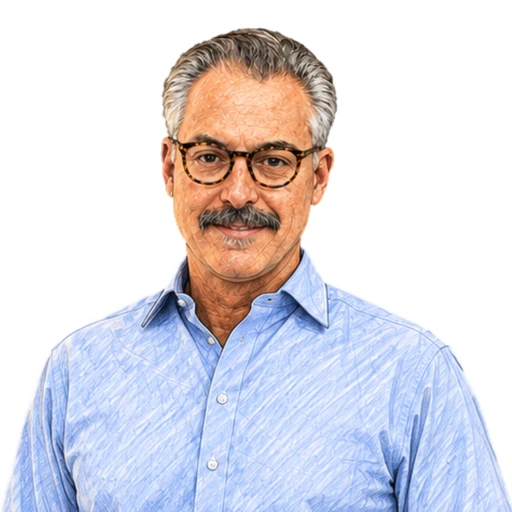
Dr Christopher Anselmi
“They're coming to me 'cause they wanna play with their kids, and they can't.”— Dr Christopher Anselmi
Show notes
Dr Christopher Anselmi started his own practice in 2000 after graduating from chiropractic college in 1997 and working on Park Avenue. An opportunity at Hospital for Special Surgery led to a year-long credentialing process and 15 years alongside its specialists.
He credits grand rounds, imaging reviews and the hospital affiliation with broadening his knowledge and helping reassure patients who were hesitant about chiropractic. His own practice grew in stages, adding massage therapy, physical therapy and acupuncture as space and demand allowed.
Sally asks how the practice weathered two very different disruptions. Anselmi recalls starting near the Twin Towers and witnessing 9/11, but says he does not remember a lasting effect on the practice's bottom line. COVID closed the clinic for almost eight weeks while rent and other obligations continued.
He used savings and disaster-relief loans, reopened gradually and saw a lasting change in the patient mix: commuters had made up about half of his patients before COVID, compared with roughly 20 to 25 percent afterwards. A move to larger premises also brought the opportunity to sublet space to other providers.
Before COVID, the clinic was primarily out-of-network or fee-for-service. Anselmi accepted a couple of insurance plans to help rebuild patient volume after reopening, but now says their limited scope and low reimbursement push the practice toward quantity rather than the time and combination of services he wants to offer.
He is considering a gradual move away from some plans rather than an abrupt cutoff. A course on discussing value and fees has changed how he presents care plans: ask what patients want to do but cannot, explain the proposed approach and speak directly about financial responsibility and payment options.
The conversation also covers the cost of winning and keeping patients. Anselmi says Google Ads brought many new patients for more than a decade, but rising costs made the economics harder and the clinic has cut back in favour of referrals and word of mouth.
It uses a monthly newsletter and appointment reminders, but he sees room for more consistent personal follow-up. He discusses hiring for personality and teamwork as well as credentials, using in-office X-rays selectively, and renting a SoftWave machine before buying and financing one. He shares individual patient experiences of that treatment as his own observations, not independently established outcomes.
Key takeaways
- Build a multidisciplinary practice in stages. Anselmi began with chiropractic and massage, then added physical therapy and acupuncture as space and demand allowed.
- An institutional affiliation can support both learning and patient confidence. He credits 15 years at Hospital for Special Surgery with exposure to specialist discussions, imaging reviews and reassurance for patients who were uncertain about chiropractic.
- A disruption can permanently change who your patients are. He estimates that commuters fell from about half of the practice's patient base before COVID to roughly 20 to 25 percent afterwards.
- More patients do not automatically make the preferred care model sustainable. He says accepting insurance helped rebuild volume but brought limited coverage and low reimbursement that pressure the clinic toward quantity.
- Changing the business model does not have to mean an abrupt cutoff. Anselmi is considering a gradual move away from some insurance plans while working out how to explain the change to patients.
- Ask what a patient wants to do but cannot, not only what hurts. His care-plan conversations now focus on that effect on everyday life before explaining the proposed services, costs and payment choices.
- Revisit patient acquisition economics as costs change. Anselmi says rising Google Ads costs led the clinic to reduce its spending and rely more heavily on referrals and word of mouth.
- Reminders and a newsletter are not the same as personal follow-up. He sees potential in consistent, professional check-ins with former patients, which the team does not routinely do one-to-one.
- Test an equipment investment before committing. The practice rented a SoftWave machine before buying and financing one; Anselmi describes its commercial potential and shares his own accounts of patient experiences.
- Hiring involves judgment about teamwork as well as credentials. He recounts hiring an associate despite a negative reference after his conversation with the previous employer raised doubts about that assessment.
See how much revenue your clinic is leaking.
Coherent gives private clinics one patient relationship engine, recovering revenue lost at enquiry, recall and billing.