Advertise on the BOAC podcast.
Reach clinic founders, operators and healthcare investors across Europe and North America.
The full library.
Each episode comes with the full video and written show notes, so you can read the ideas or watch the whole conversation.
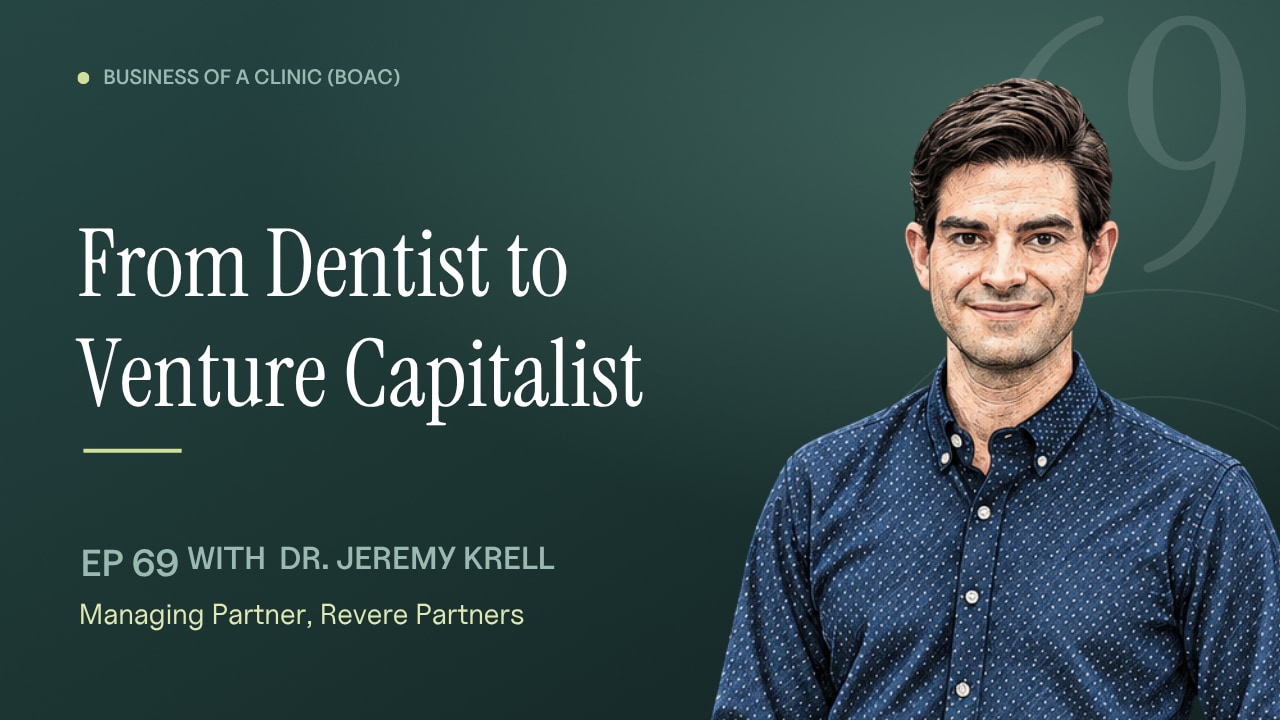
What 4,000 Dental Tech Companies Taught a Dentist Turned VC
Dr Jeremy Krell, a dentist who scaled ten practices and now runs a venture fund dedicated to dental technology, on how clinics should choose software, why the jar has to be filled with rocks first, and why the one thing that matters most is still people.
View episode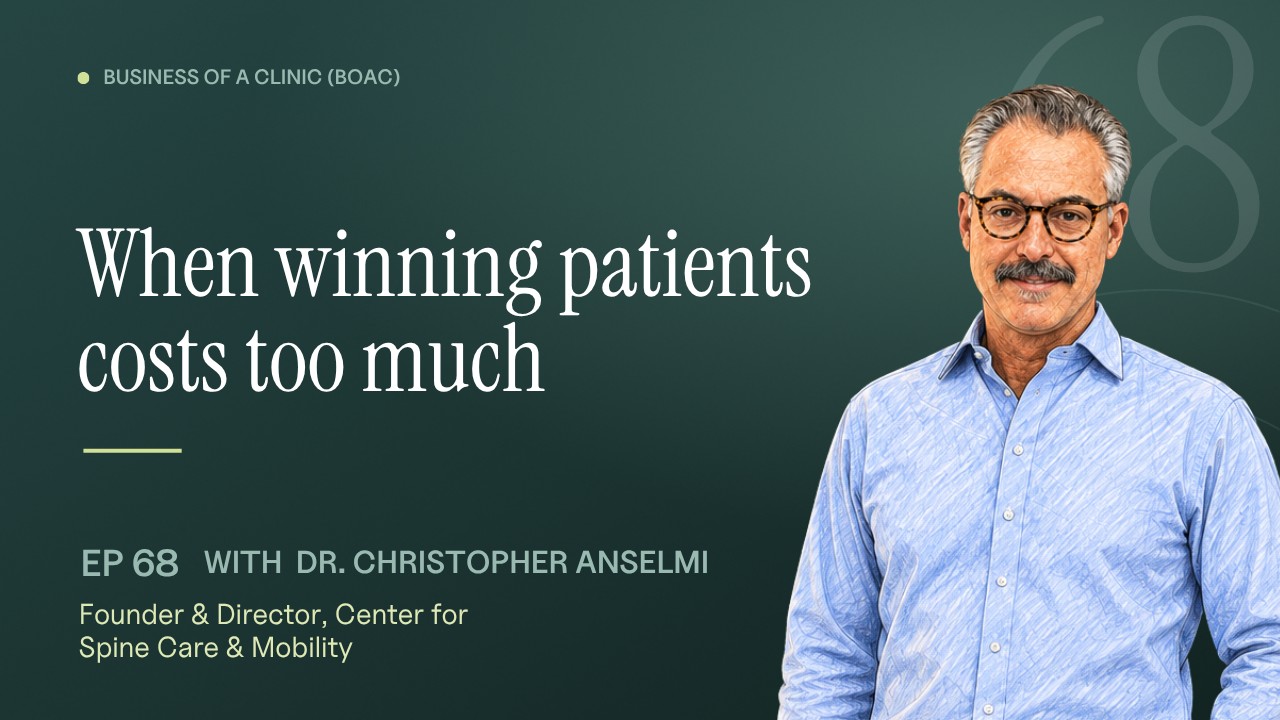
Can a Small Chiropractic Clinic Survive Big Insurance?
Sally speaks with Dr Christopher Anselmi about the financial crossroads facing his New York clinic: rising patient acquisition costs, the limits of insurance reimbursement, and finding a way back to the care model he wants to deliver.
View episode
Capping His Own Margin at 15% in Fertility Storage
Charlie Boyer, co-founder and CEO of Generations CryoVault, on why he capped his company's margin at 15% and shows patients his costs, in a fertility industry where most of them pay out of pocket.
View episode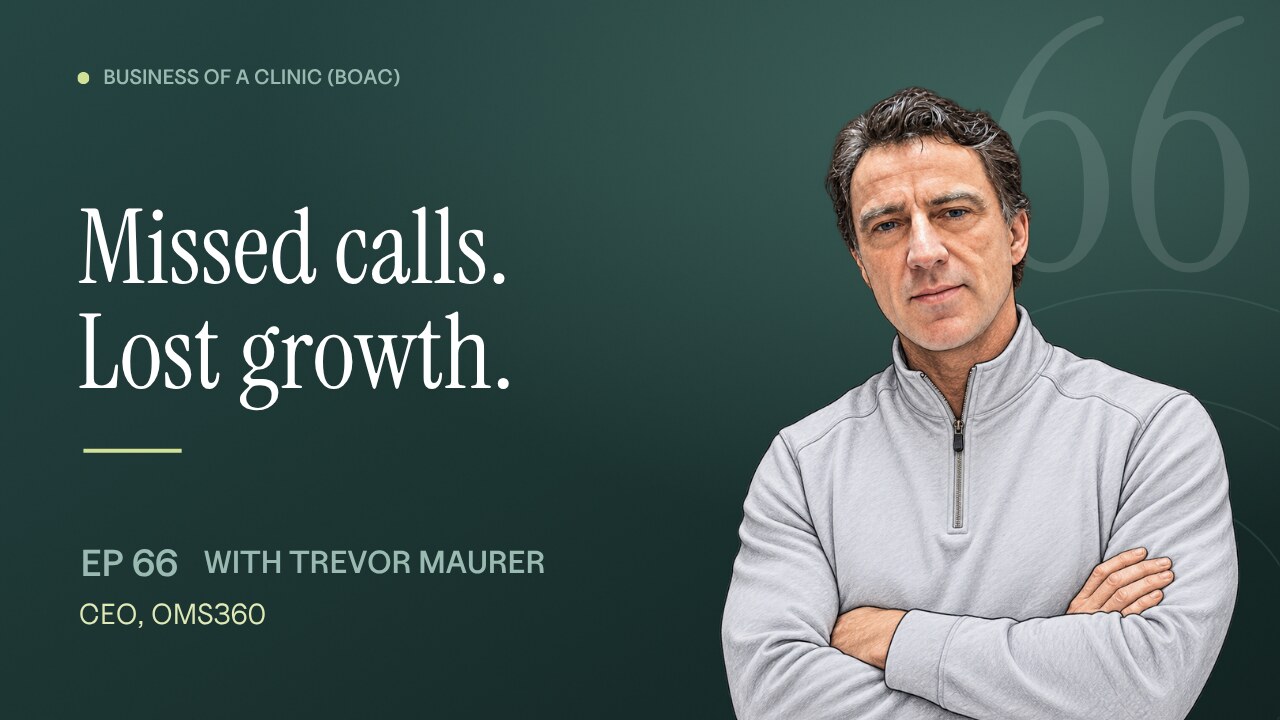
Scaling Oral Surgery to 54 Surgeons in Nine States
Trevor Maurer, CEO of OMS360, on building a fifty four surgeon oral surgery group across nine states, and why the first fix for a new practice is almost never more marketing.
View episode
From One Room to Three Dermatology Clinics
Dr Diane Madfes on growing a dermatology practice from one room to three sites over twenty five years, and why she still insists a real person answers the phone.
View episode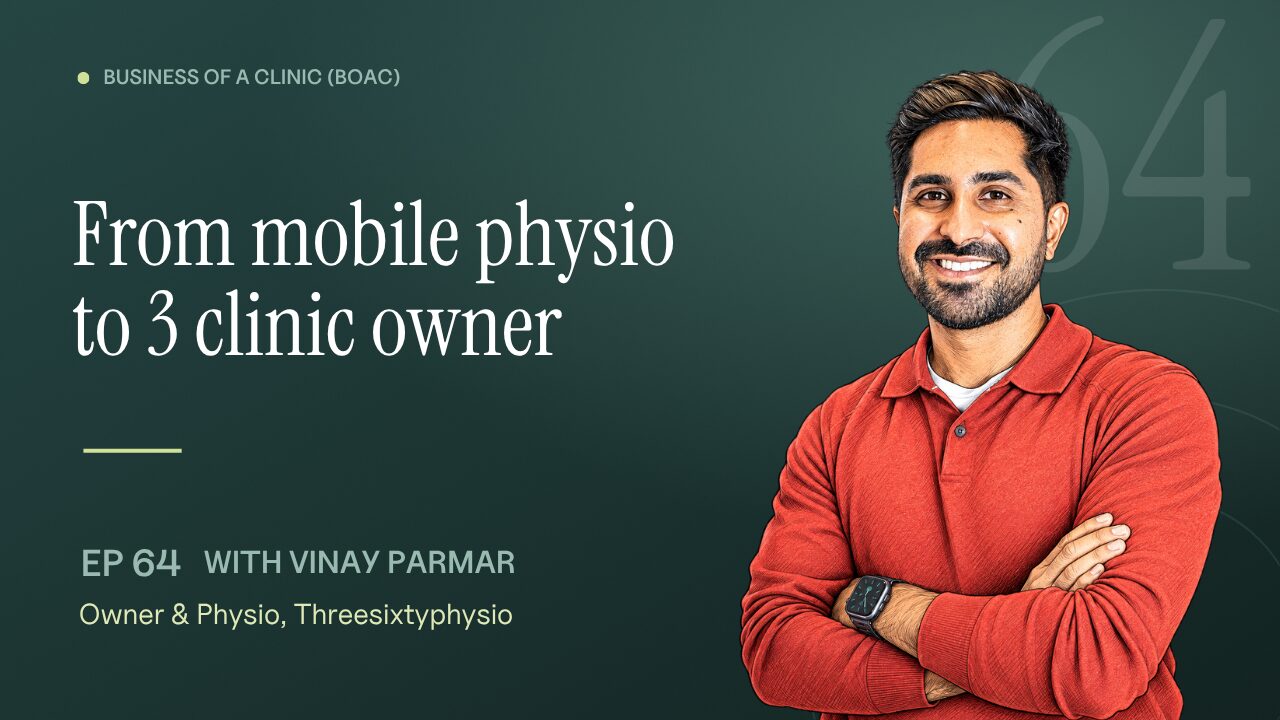
From Mobile Physio to Three-Clinic Owner
Vinay Parmar on building a three-site physio group almost entirely on word of mouth, and why the next goal is to make himself invisible.
View episode
The Bar For Your Team Went Up
Jared Aron on why AI will not empty your front office, and why the harder question is what happens to the people and the tools you keep.
View episode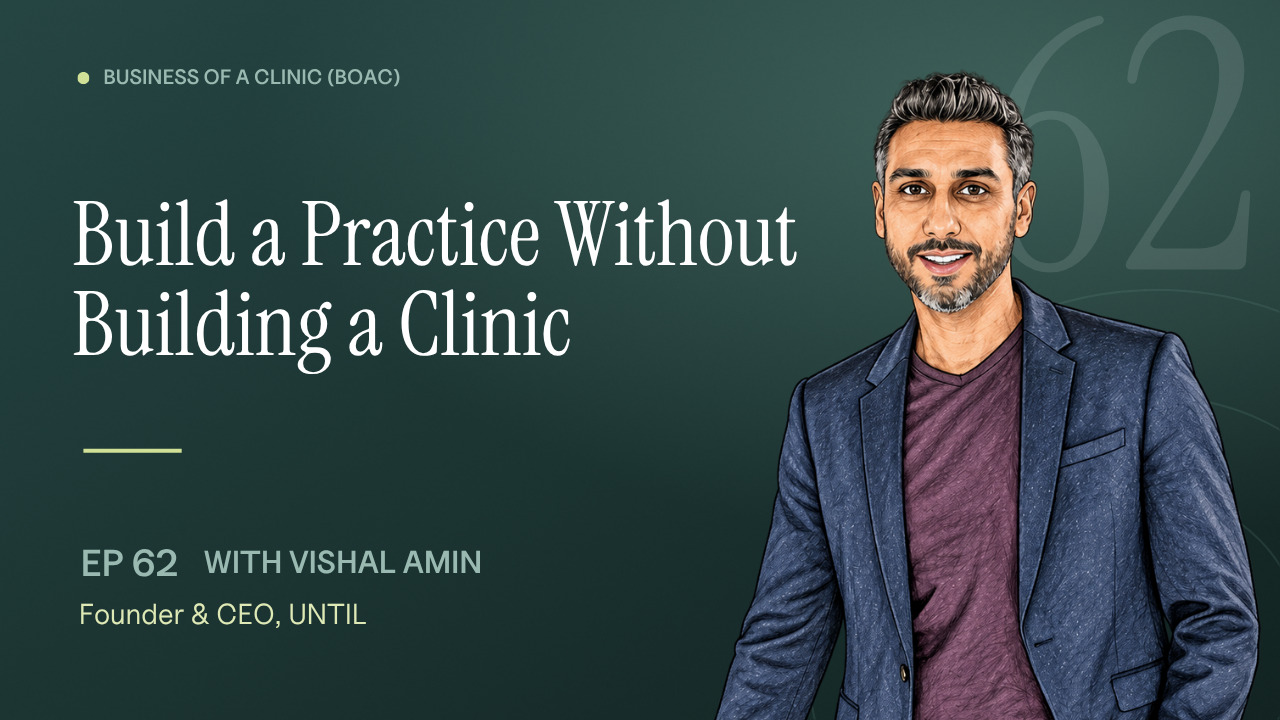
Build a Practice Without Building a Clinic
Until founder Vishal Amin on building a practice without taking on a clinic, why the practitioner rather than the facility owns the patient relationship, and how physical space and technology can work together to improve care.
View episode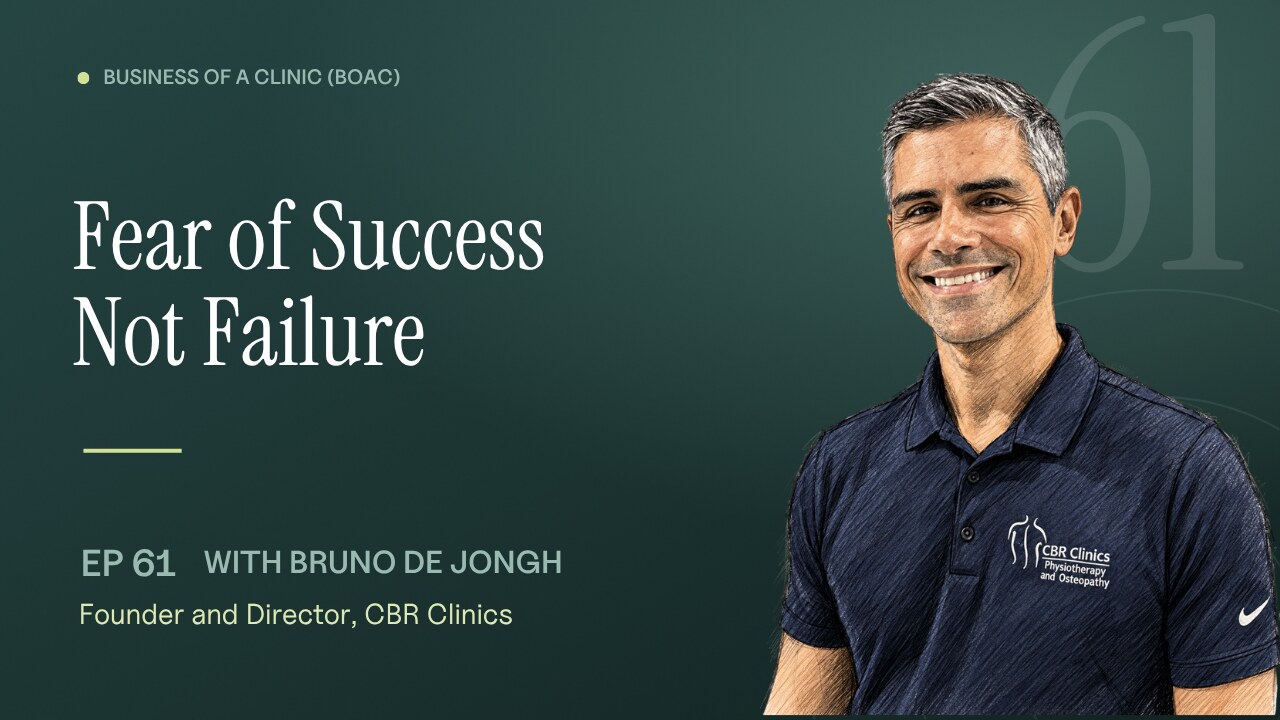
Fear of Success, Not Failure
A London physiotherapist on the three years it took him to ask for help, the mindset work that finally moved the numbers, and why he believes most clinic owners are more frightened of succeeding than of failing.
View episode
What VCs See in Healthcare AI
A European venture investor explains why the AI tools that look tidiest on a clinic's shortlist are often the ones least likely to pay off, and what he looks for instead.
View episode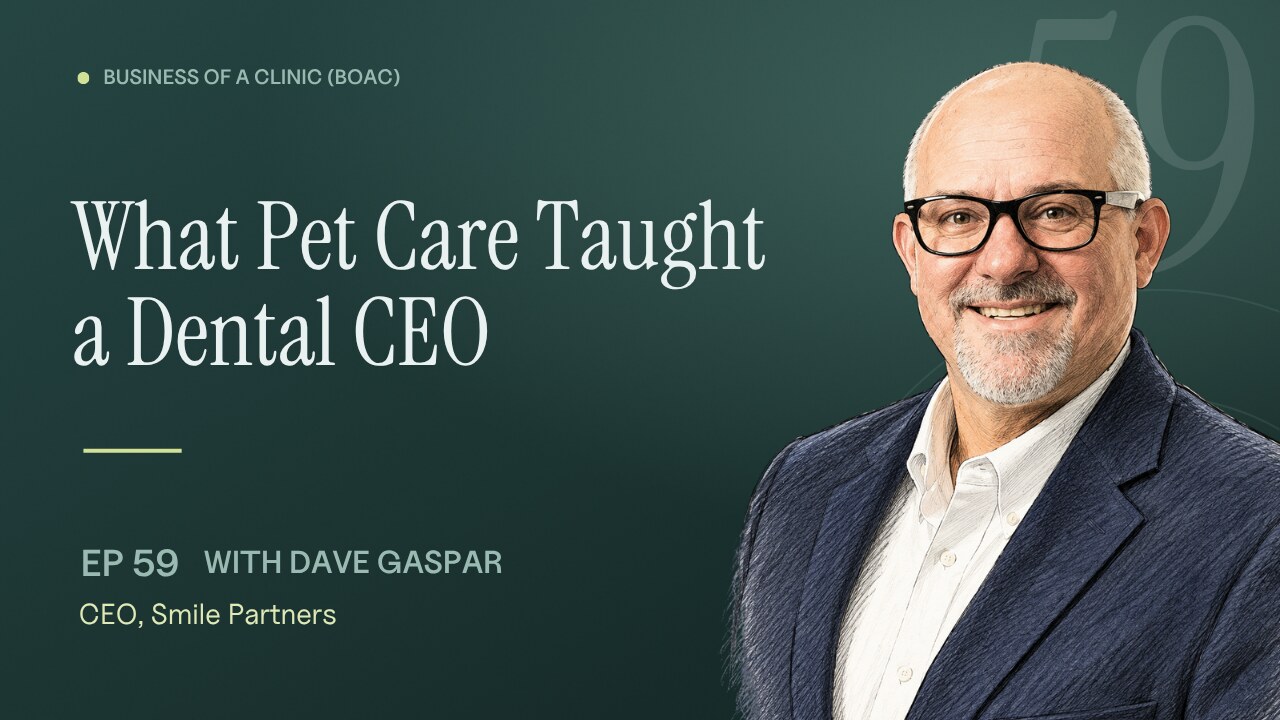
What Pet Care Taught a Dental CEO
The CEO of a 130-office dental group explains why his most enduring lessons about clinic leadership came from veterinary hospitals, where empathy, access and showing up when things go wrong are inseparable from the business.
View episode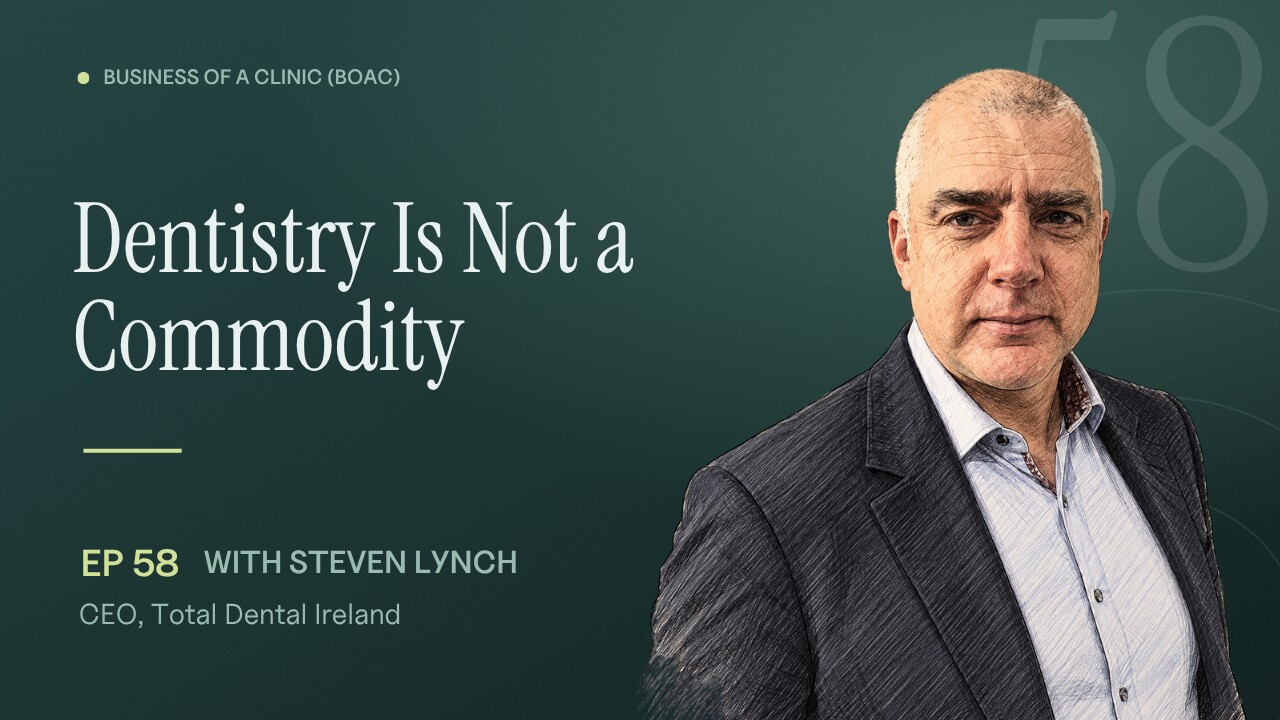
We Don't Change The Name
An accountant who did the books for a third of Ireland's dentists is now buying their practices, and refusing to rebrand a single one.
View episode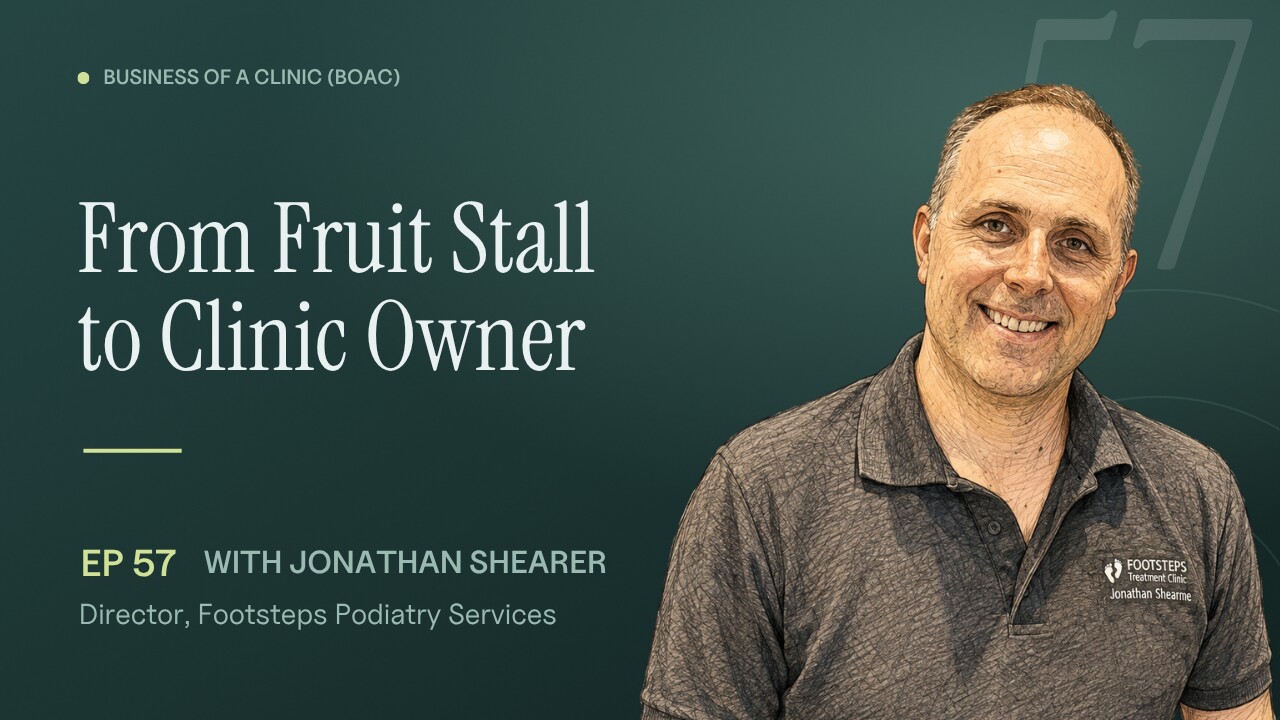
Go Where The Buffalo Are
A single-site practice, twenty years running, built almost entirely on market-stall relationship selling and a refusal to stay inside its own four walls.
View episode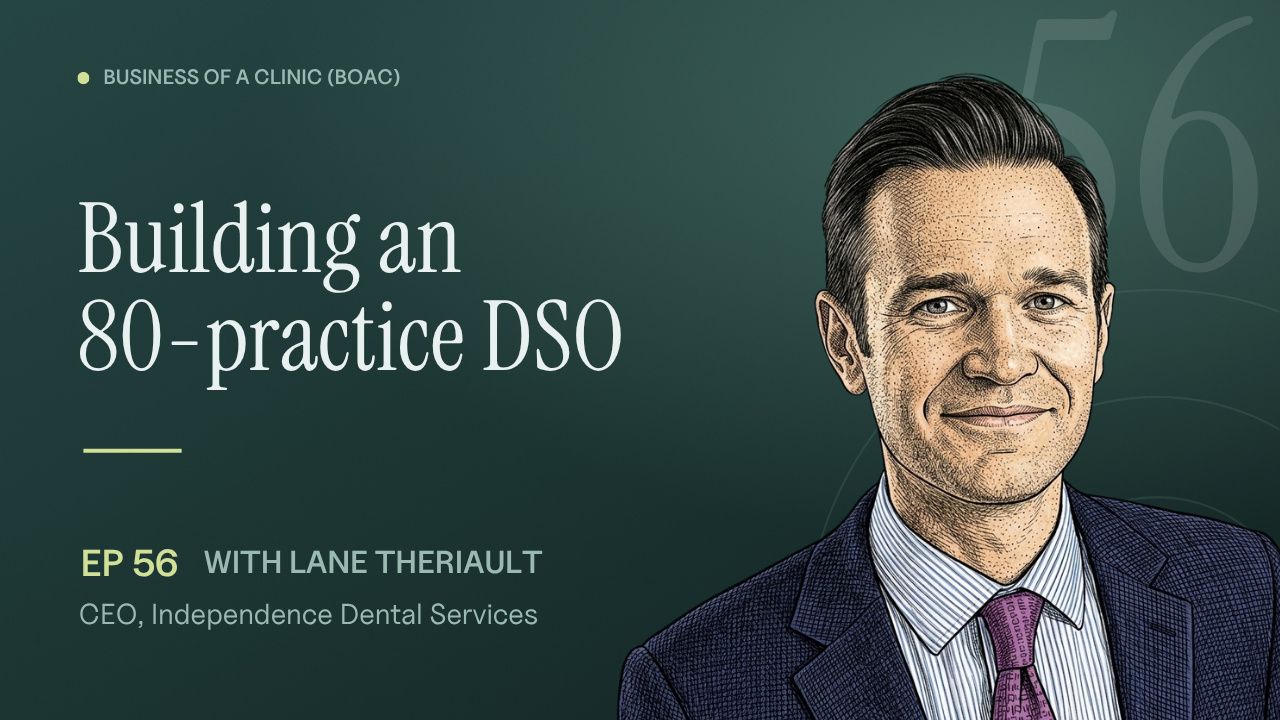
Building an 80-practice DSO
A second dental roll-up built on practice autonomy, not a rigid playbook, and an AI stack built in-house instead of bought.
View episode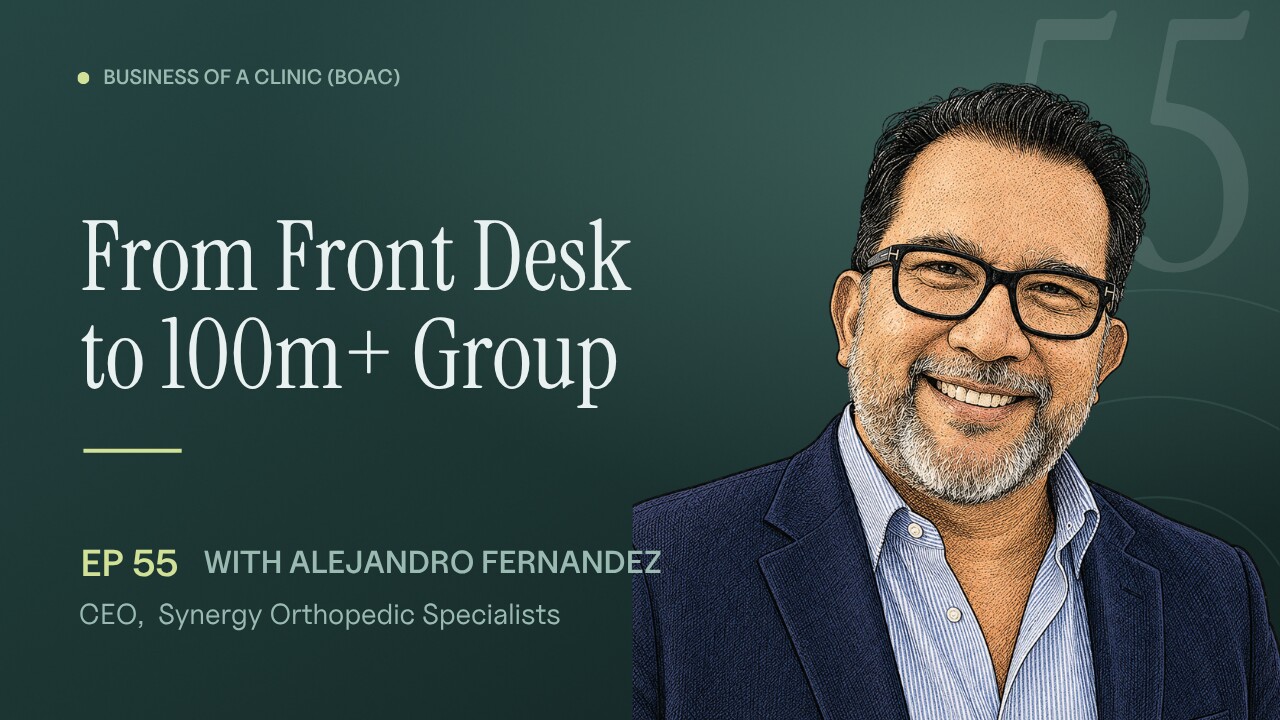
Add, Don't Take Away
Alejandro Fernandez on thirty years of healthcare operations, from a front desk in Miami to CEO, and why he would add empathy before he would add any technology.
View episode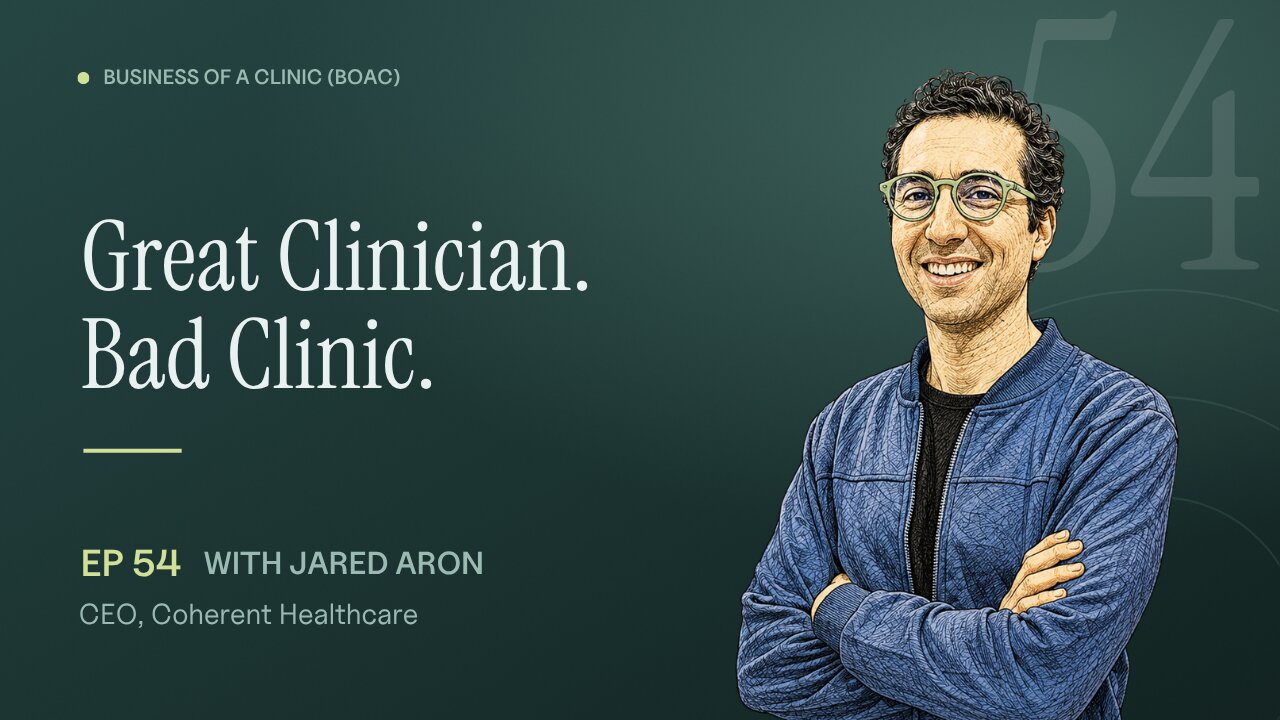
The Other 3,649 Days
Jared Aron on why a ten-year patient relationship really comes down to one number: 3,650 days, and almost none of them happen with the patient in the room.
View episode
Prison PT to 160-Clinic CEO
Richard Leaver has treated patients inside the NHS, high-security prisons, and hospitals before spending a decade in US private-equity-backed physical therapy. He explains the exact order compliance, quality, and financials have to come in, and why the biggest constraint on AI adoption in healthcare is people, not the technology.
View episode
$400 a Month to 21 Clinics
A physical therapist who turned a $400-a-month room in a repurposed Baltimore church into nineteen clinics, and counting, on why he hires for coachability over credentials, why responsibility and accountability aren't the same word, and why one-on-one care is the one thing he refuses to automate.
View episode
The Consultant Is the Product Now
A healthcare-marketing founder on why patients no longer search for clinics but for names, why the consultant has become the product, and the unglamorous basics that actually win patients in the AI era.
View episode
Which Business Are You Building?
Jared's unfiltered take on the software trap in healthcare: why the all-in-one promise is a myth, why buy-and-smash is dead, and why the clinics that win focus on care and reliable patient coverage instead of building their own tools.
View episode
Better Care. Better Returns.
A healthcare private equity investor on why quality and returns are not a trade-off, and what he looks for before backing a provider to scale.
View episode
The Human Side of Scale
An osteopath of thirty years on scaling a four-clinic group without losing the human relationship, and what it really felt like to sell.
View episode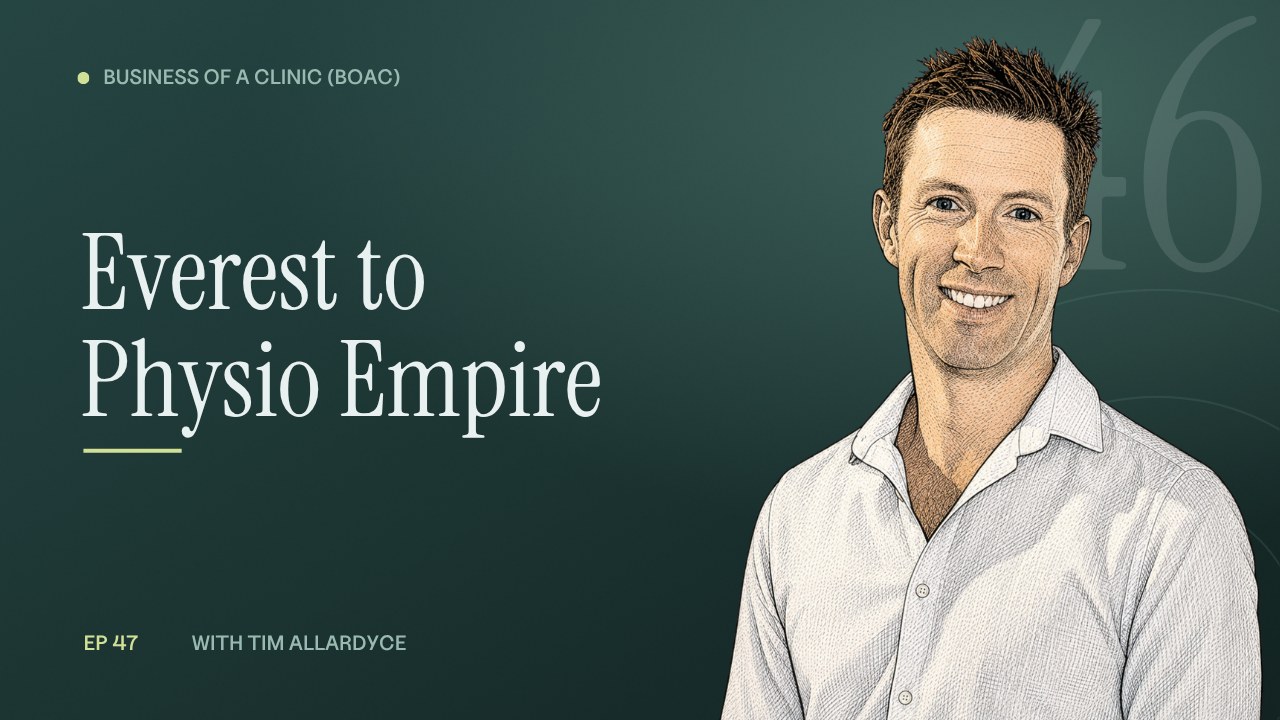
From Everest to a Physio Empire: Clinics, Software and Property
A physio who summited Everest on building the Surrey Physio Group: buying your own premises, building your own software, and where AI actually helps a clinic.
View episode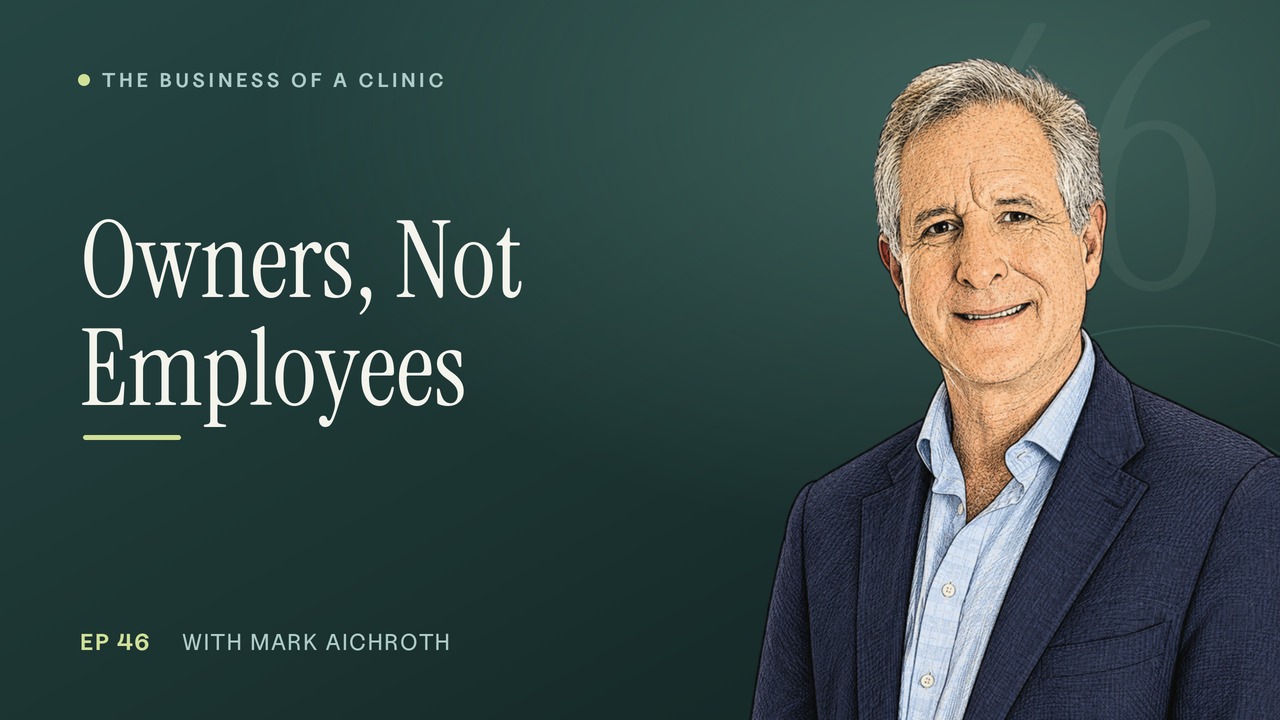
From the British Army to Building a £24M Dental Group
A former British Army officer on building a £24m dental group by making dentists owners, not employees, with real autonomy and skin in the game.
View episode
Patient Operations Is Your Biggest Bottleneck
Sean interviews Jared on why the real constraint in healthcare is operations, logistics and business, not clinical care.
View episode
Bank-Grade Security Thinking for Patient Data
Before trusting any AI vendor with patient data, ask where it lives, who can compel it, and exactly what leaves your system.
View episode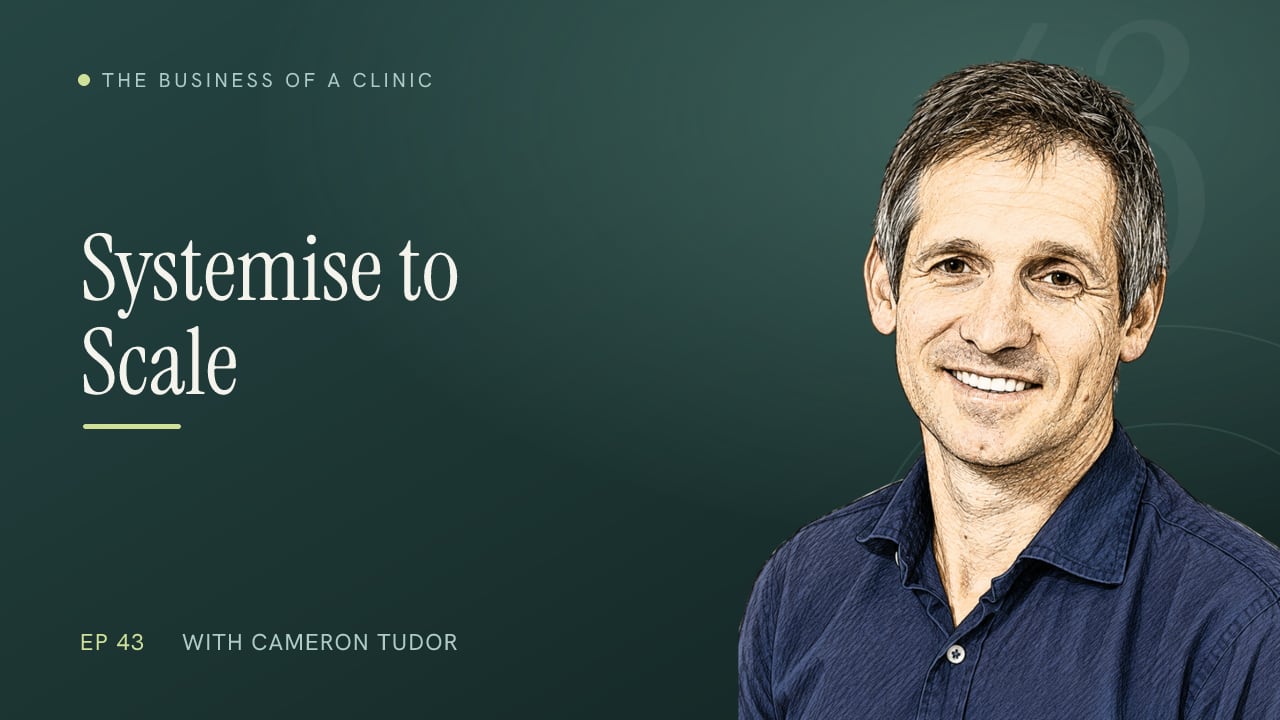
From One Treatment Room to Four Clinics
Efficiency is not cost-cutting. It is what frees a clinician to focus on care while the clinic scales around them.
View episode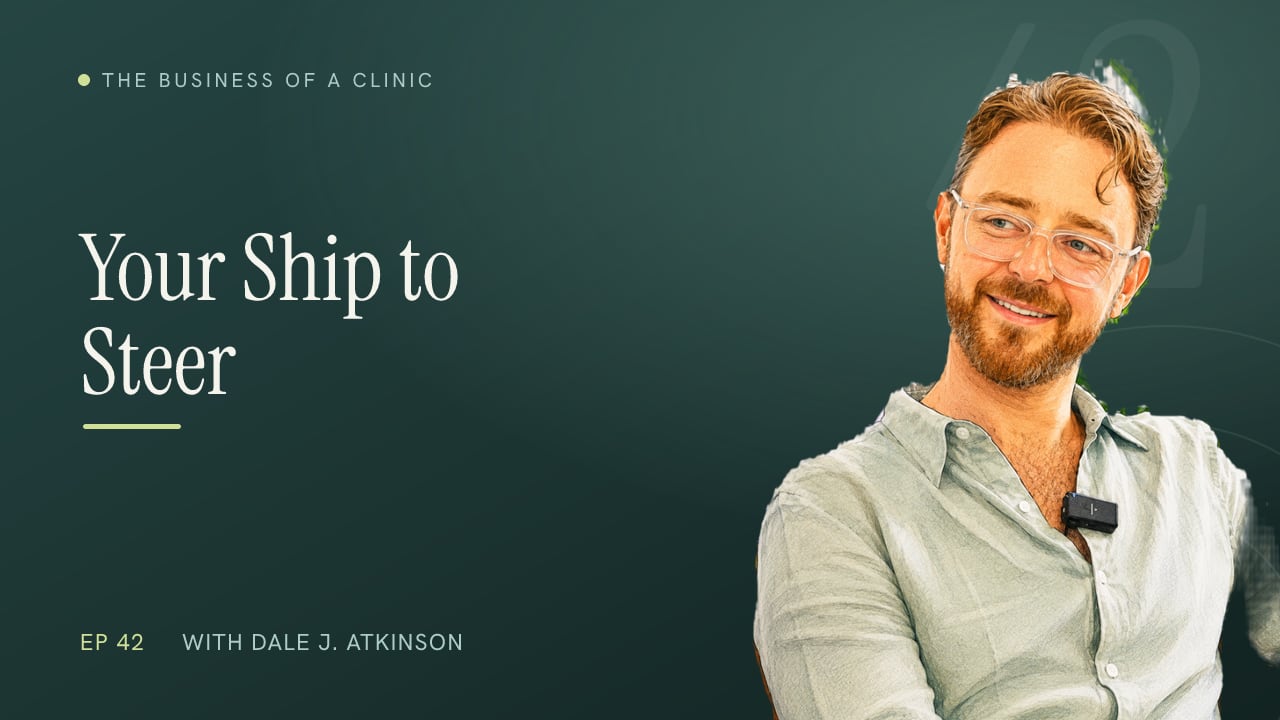
Becoming the CEO of Your Own Health
A patient advocate on facing a terminal diagnosis with research and self-advocacy, and why patients rarely tell clinicians what they are really doing.
View episode
Adopting Technology to Make Care More Human
The clinics that win will automate the admin and protect the human moments, from the welcome at the front desk to the room itself.
View episode
Is Your Clinic Exit-Ready? Live Panel at The King's Fund
Clinic founders who have sold and the buyers who acquire clinics share what actually drives sale price — recorded live at The King's Fund, London.
View episode
The Clinic That Almost Closed, Then Turned It Around
Growth is rarely the smooth climb it looks like from the outside. Sometimes a clinic has to nearly break before it learns how to scale.
View episode
Two Surgeons, One Table, and the Business of Looking After People
If you cannot stay in business, you cannot do your best for patients: two oculoplastic surgeons on why running the practice well is part of the care.
View episode
What Makes a Traditional Business Worth Building On
Modernising a traditional business is not about bolting AI onto it. It starts with the day in the life of the person doing the work.
View episode
From Reception Desk to Clinic Dealmaker
Know your numbers. The clinics that sell well are the ones whose owners understand their finances, their lease, and where revenue really comes from.
View episode
What an Acquirer Looks for in Your Clinic
A clinic-group M&A director on what buyers really value, why owner-dependence and messy data cost you, and the prepare-early lesson dental learned that MSK hasn't yet.
View episode
Why Retention Is a Revenue Problem
Patient leakage across the journey, not ad spend, is where clinics quietly lose revenue, and most of it is recoverable without new marketing.
View episode
What Patients Actually Judge
A consultant neurologist on why delivering the medicine is the easy part, and why booking, communication, and follow-up decide how patients experience care.
View episode
Talent, Turnover, and the Follow-Up Gap
Patient retention is a staffing problem: when the person running your recalls leaves, follow-up stops and patients quietly slip away.
View episode
From the Classroom to the Clinic
Jared, a former teacher turned clinic operator, on why patient care must be proactive and why real gains come from wholesale change, not bolt-on tools.
View episode
Private Practice, Patient Expectations, and Clinic Ownership
Dr. Shaima Villait on rising patient expectations, the steep learning curve of clinic ownership, and why private practices cannot afford to stand still.
View episode
Injectables, Hospitality, and the Future of Clinic Experience
Joëlle Rotsaert on building an injectables brand around approachable luxury — and why the clinic experience, the booking team and the operating system all have to grow together.
View episode
The Numbers Most Clinics Never See
Marketing agency founder Michael Schumacher on why clinics operate blind to their own numbers, and why lead volume matters far less than follow-up and experience.
View episode
Building a Dental Practice From Scratch
Dentist Arnold Gangaidzo on building his practice from the ground up: the brutal build, cash-flow reality, and why growing too fast creates white space.
View episode
Why Hands-On Clinics Leak Value
Why hands-on care resists automation, how clinics hit an invisible ceiling, and why cost per consultation is the number to watch.
View episode
The Patients You Never Hear From
The real limit on patient follow-up is not care but capacity, and closing that gap means partnering rather than trying to do it all yourself.
View episode
Why Half Your Patients Never Finish
Most clinics lose around half their patients somewhere along the journey, and fixing that leak is an operations problem, not a clinical one.
View episode
The Invisible Patient Leak
The patients quietly slipping away are your biggest hidden cost, and retention rate is the wrong number to catch them.
View episode
Building a Clinic Worth Buying
What makes a clinic worth acquiring, and why the smartest operators fix retention and protect empathy long before they think about selling.
View episode
Fixing the Clinic's Leaky Bucket
Pouring new patients into a leaky clinic never fixes the economics; the real growth is already sitting inside your existing patient body.
View episode
Front of House Is Sales
Why front of house has to own revenue, follow-up and the patient relationship, not just answer the phone and manage the diary.
View episode
Follow-Up Debt and Why Patients Quietly Disappear
Clinics chase new leads while quietly losing the patients they already have, and clearing that follow-up debt is where real growth begins.
View episode
Why Patient Recall Is a Growth Lever
Reconnecting with lapsed patients through soft, asynchronous follow-up drives more durable growth than chasing new leads or spending more on ads.
View episode
Why Clinics Fail at Software, Patient Follow-Up, Risk, and the User Problem
Most clinics aren't struggling because they picked the wrong software — they're struggling because nobody has the time, continuity or training to actually use it properly.
View episode
Managing the Journey, Not Just the Appointment
Most of a patient's journey happens outside the clinic, and the relationship you build between visits is where value is won or lost.
View episode
What Happens After the Patient Leaves
Almost all of the patient relationship happens outside your clinic, and holding it there is a team-and-technology problem, not something one new hire can fix.
View episode
Patient Recall Is a Business Function
Most clinics believe they already do patient recall; almost none do it well, because recall is a business function, not a few emails and phone calls.
View episode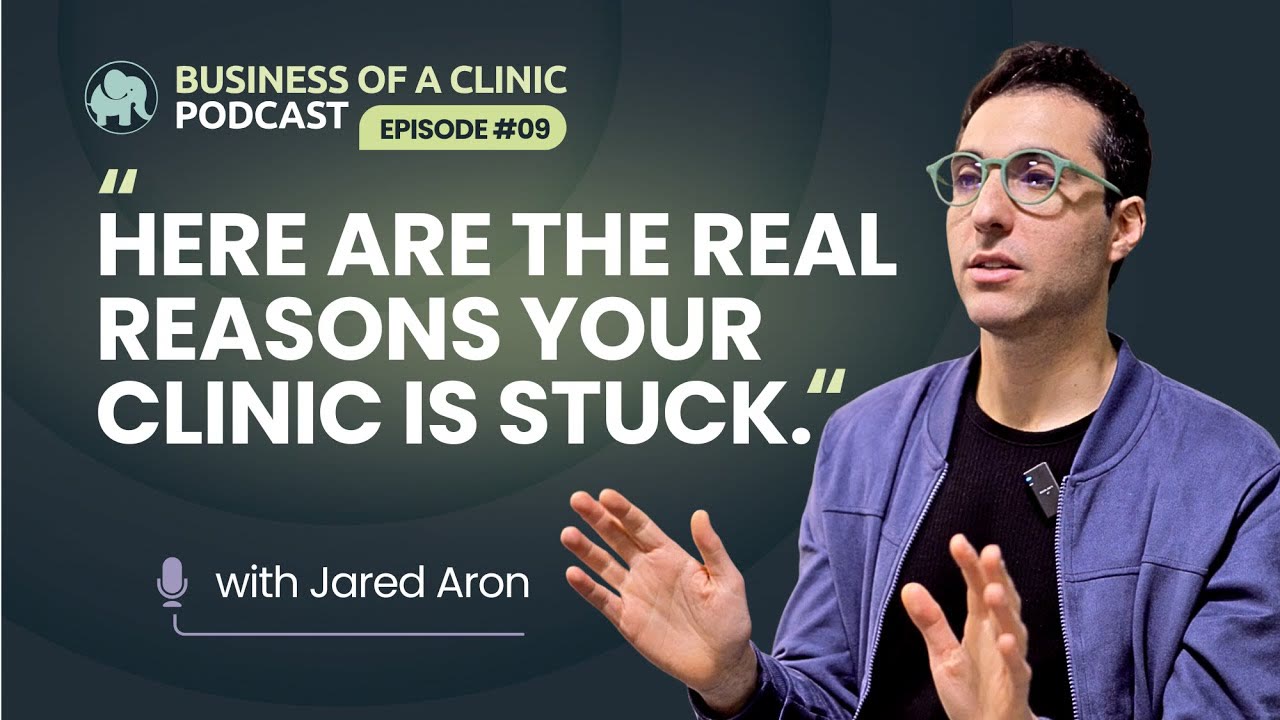
The Glossary of Clinic Revenue Malpractice
Thandi runs Jared Aron through a glossary of named failure patterns in clinic revenue, from the Leaky Bucket to the Legacy List Graveyard, each one a specific, fixable way clinics lose patients and money.
View episode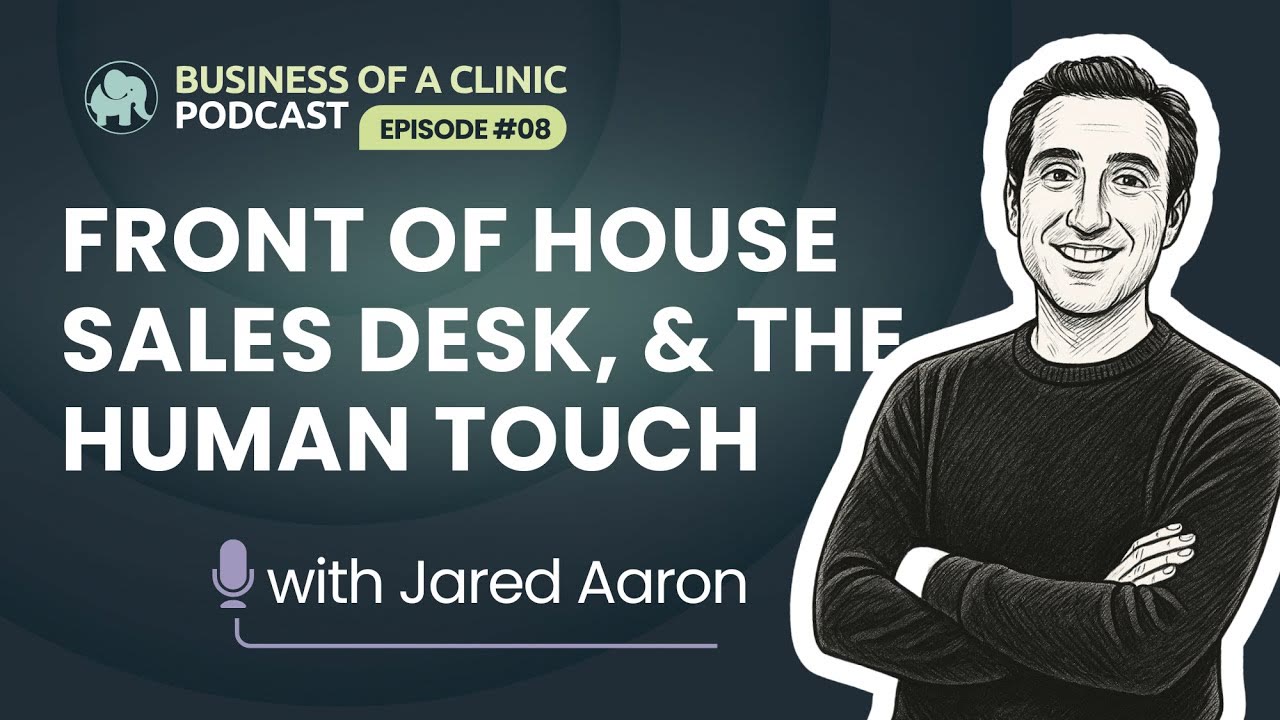
Why Front-of-House Time Is 99% Backwards
Jared Aron argues clinics have the ratio backwards: 99% of front-of-house time goes to low-value work and 1% to the patient interactions that actually matter, and reframes the job as a maître d', not a call center.
View episode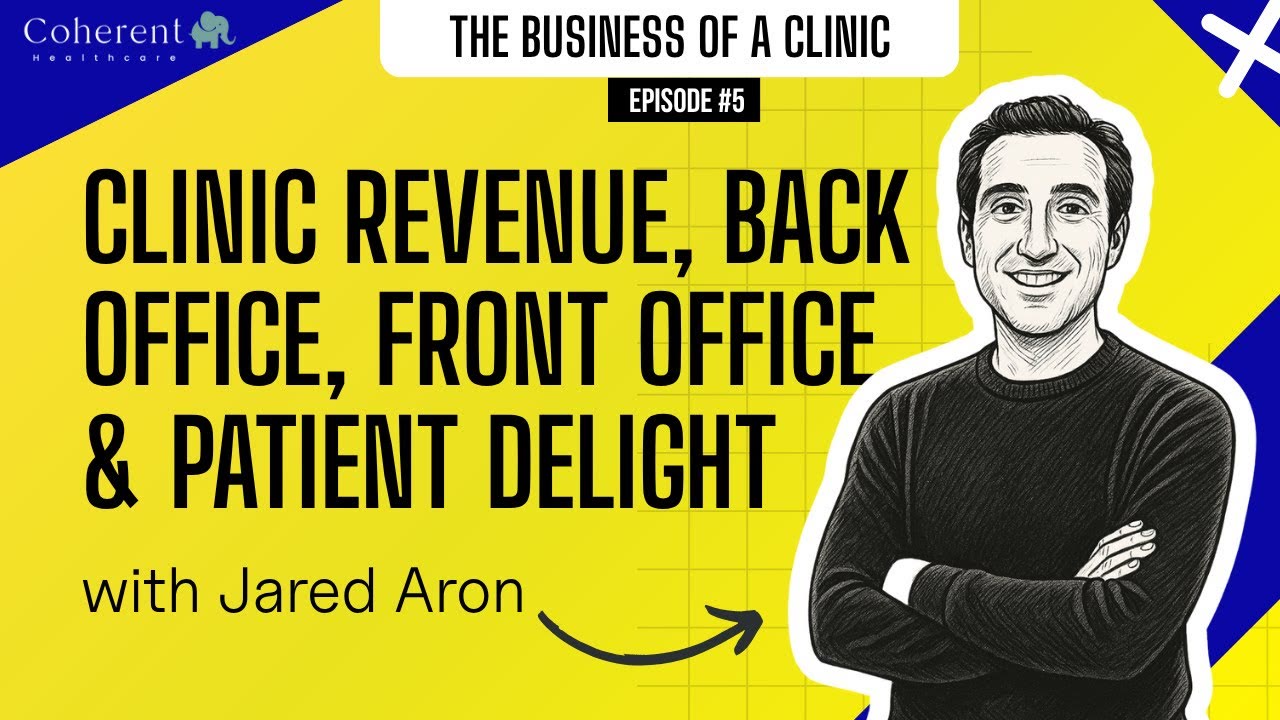
The Phone Call AI Still Can't Replace
Jared Aron compares how fast the US and UK actually adopt healthcare innovation, and makes the case that a real human phone call still beats an AI voice agent at the moment that matters most.
View episode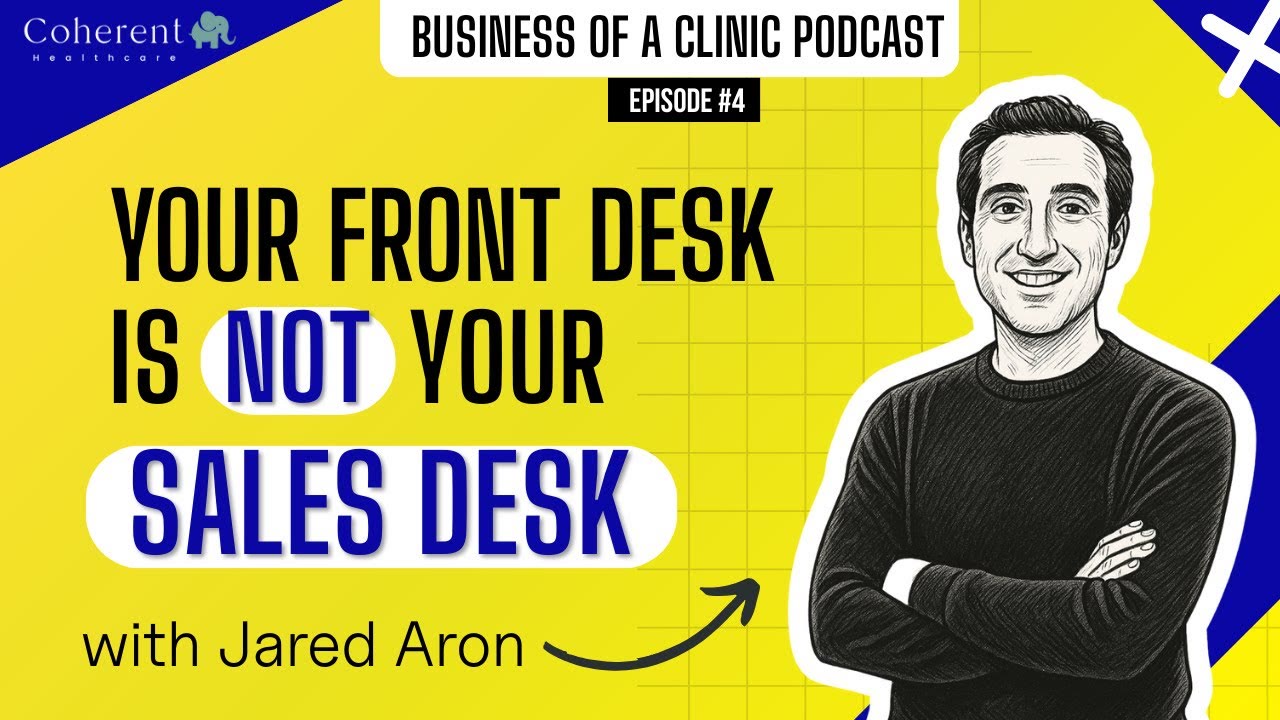
The Clinic Sales Desk Is Not Your Front Desk
Most clinics never separate the two most different jobs in the building: reception and revenue. Jared Aron explains why a dedicated sales desk, not the front desk, is what actually determines whether a clinic grows.
View episode
The Rise of the Entrepreneur Doctor
A new generation of commercially minded clinic owners is treating experience like hospitality, and the fastest lever they can pull this quarter is patient recall.
View episode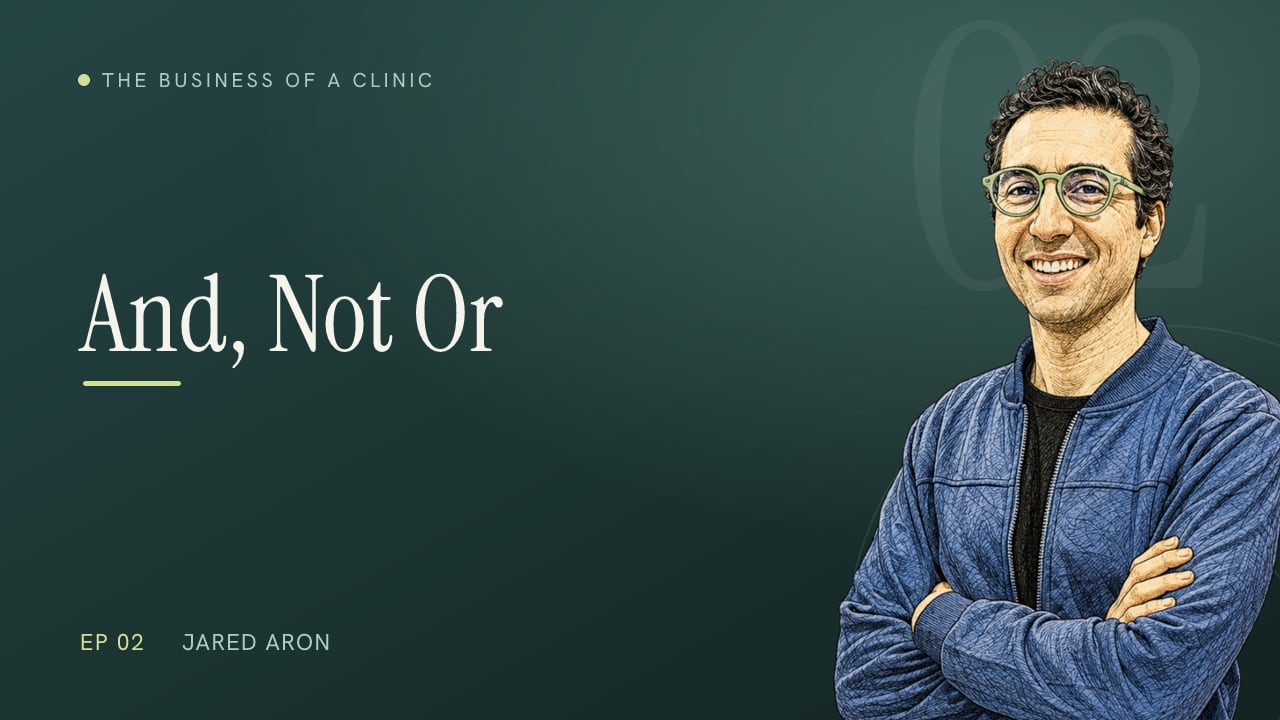
Why Great Care Isn't Enough
Clinical care is only half the job; the experience and admin around it decide whether patients stay, drawn from Jared's own clinic lessons.
View episode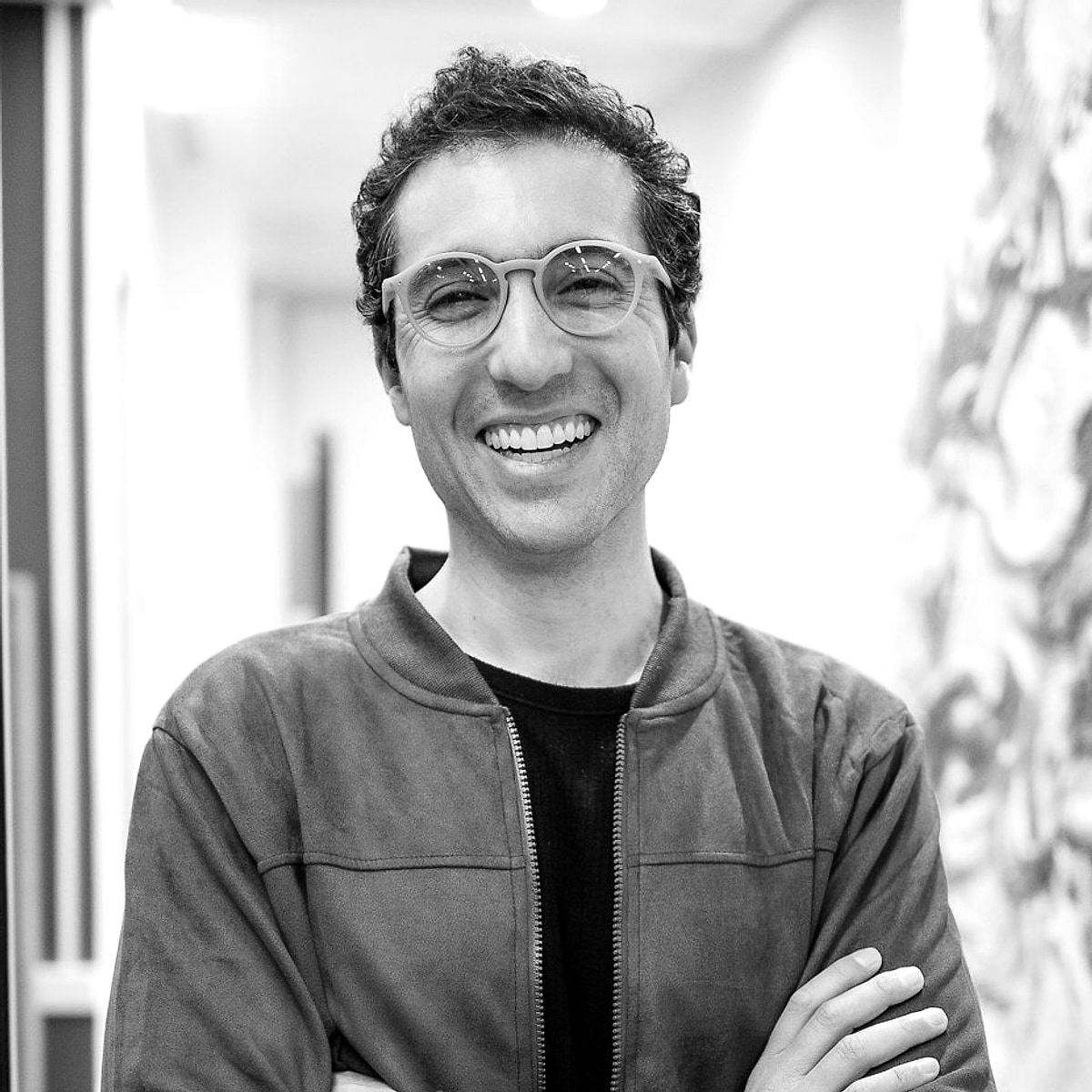
Jared Aron
Jared Aron is co-founder and CEO of Coherent Healthcare. He spends his weeks with the owners and operators of private clinics, from single sites to large multi-site groups.
On The Business of a Clinic he sits down with those operators to work through the systems behind clinics that grow without simply spending more on marketing or adding headcount.
See how much revenue your clinic is leaking.
Coherent gives private clinics one patient relationship engine, recovering revenue lost at enquiry, recall and billing.