Build a Practice Without Building a Clinic
Until founder Vishal Amin on building a practice without taking on a clinic, why the practitioner rather than the facility owns the patient relationship, and how physical space and technology can work together to improve care.
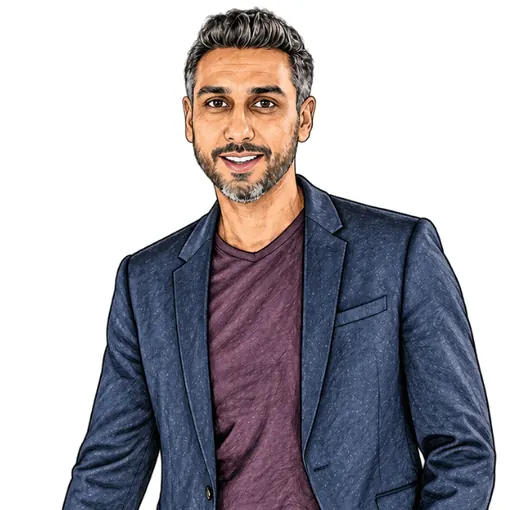
Vishal Amin
“The clinician owns the customer because of that relationship.”— Vishal Amin
Show notes
Vishal Amin came to healthcare without a clinical background. After an early role helping to build a US health insurance services company, ten years in consulting and a series of side businesses, his own experience of coordinating a personal trainer, physiotherapist, therapist and massage therapist exposed three problems: finding the right practitioner was difficult, their advice was fragmented, and too little of what he paid reached the person delivering the care. That became the starting point for Until.
Until now operates four central London clubs used by 500 practitioners across fitness, physical therapy, coaching, medicine and dentistry. Practitioners can book space by the hour rather than sign a lease, fund a fit-out or manage front-of-house, compliance and broken HVAC themselves. Vishal argues that the practitioner is the product and owns the customer relationship; the club exists to remove operational distraction, create a patient experience worth returning to and put trusted specialists close enough to refer across the hall rather than across the city.
The conversation moves from property and practitioner economics into patient experience, personal brands and AI. Vishal explains why physical and digital care should not be treated as opposites: technology should remove low-value work and extend care beyond the appointment, while the physical environment preserves the human connection on which trust depends. His longer-term ambition is for Until to become the infrastructure layer connecting vetted practitioner communities, technology and physical spaces, including sites operated with landlords rather than owned directly by Until.
Key takeaways
- Until lets practitioners build a practice without taking on a personal guarantee, lease, fit-out, front-of-house team or the day-to-day problems of operating a clinic.
- The model currently supports 500 practitioners across four London clubs and five broad verticals: fitness, treatment, coaching, medicine and dentistry.
- Vishal interviewed almost 500 practitioners before designing the first club, using their workflows to determine the rooms, equipment, service and front-of-house experience.
- His central belief is that the clinician owns the customer relationship: the practitioner is the brand and product, while the facility should make that relationship easier to sustain.
- A pay-by-the-hour model ties space costs directly to revenue and can work for solo practitioners, growing teams and established specialists who need satellite capacity.
- Patient experience includes the greeting, waiting environment, amenities and warmth of the space, but it also extends into the days between appointments through thoughtful digital engagement.
- AI should remove administrative work and help practitioners focus on care, but Vishal argues that healthcare businesses must be hybrid rather than choosing between physical and digital delivery.
See how much revenue your clinic is leaking.
Coherent gives private clinics one patient relationship engine, recovering revenue lost at enquiry, recall and billing.